
Air Conditioning Technology
Air conditioning technology is committed to precise regulation of indoor temperature, humidity and air cleanliness for residential, commercial and industrial scenarios. It realizes intelligent adjustment of indoor air environment through heat exchange, air circulation and filtration, ensuring constant and comfortable indoor air conditions, and is widely applied in buildings, commercial centers, office buildings and supporting industrial temperature control scenarios.
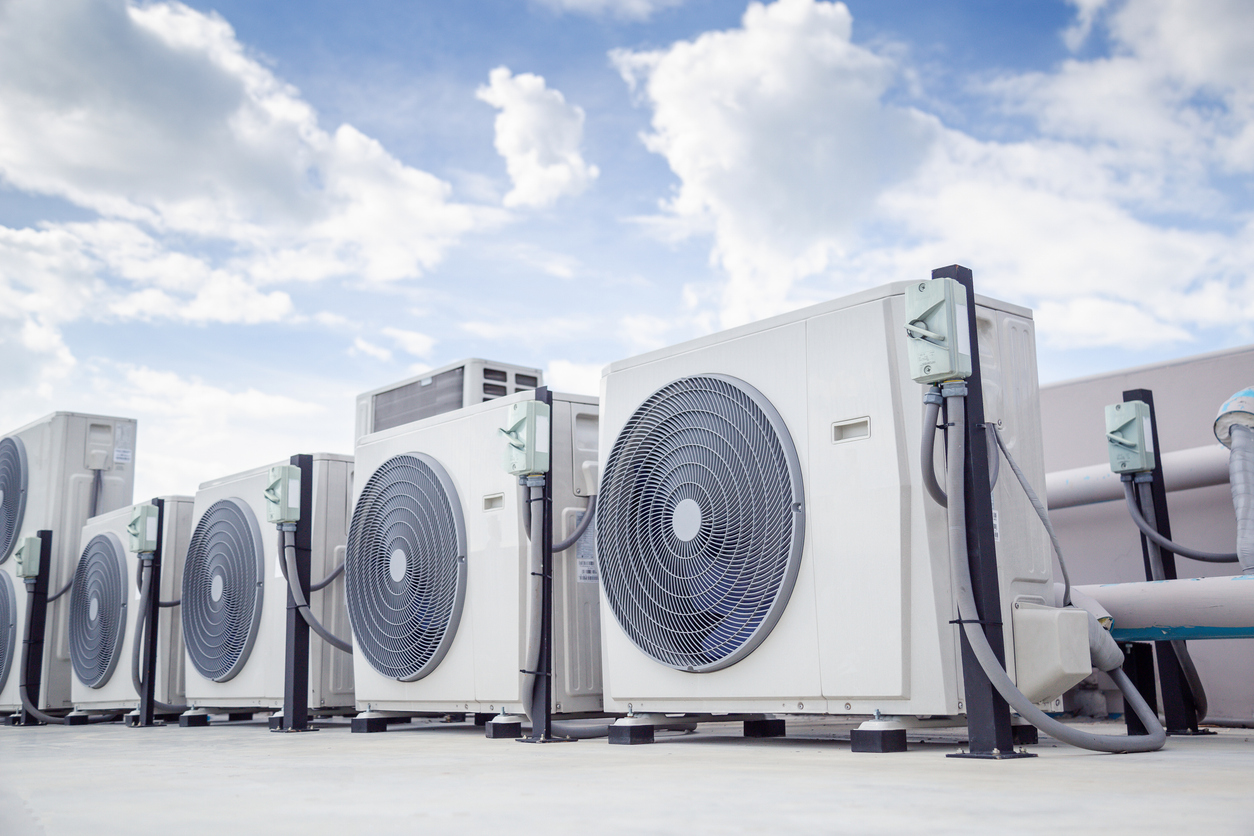
Fans applied in air conditioning technology mainly consist of centrifugal fans, axial fans and cross-flow fans with distinct respective features. Centrifugal fans generate high air pressure by throwing airflow outward via rotating impellers, suited for duct-connected central air-conditioning systems requiring long-distance air delivery and stable static pressure. Axial fans push air parallel to the spindle with compact structure, low energy consumption and large air volume, widely adopted for condenser cooling and air handling unit ventilation where high airflow at low pressure is needed. Cross-flow fans feature slender, flat air outlet and even wind distribution, commonly installed in indoor fan coil units and split air conditioners to deliver soft, uniform indoor circulating airflow while occupying limited installation space inside equipment.
Air Conditioning Technology
-AHU
Industrial air handling units (AHUs) are core centralized ventilation equipment for factory workshops and large industrial premises. They integrate fan, filtering, temperature adjusting sections to realize bulk air circulation, cleaning and temperature/humidity regulation for whole industrial spaces.
-Inverter Air Conditioning Technology
Inverter air conditioning technology represents a major advancement in energy-efficient cooling, replacing traditional fixed-speed compressors with variable-speed drives that adjust motor speed based on cooling demand. This subsector has revolutionized the industry by reducing energy consumption by 30-50% compared to non-inverter systems, while providing more stable temperature control and quieter operation. Inverter systems eliminate the frequent on/off cycling of conventional ACs, reducing wear on components and extending equipment lifespan. Modern inverter technologies include dual-inverter compressors for even greater efficiency and precision, and variable refrigerant temperature (VRT) systems that optimize performance based on ambient conditions. This segment continues to grow rapidly as global energy efficiency regulations become more stringent and consumers prioritize sustainability.
-Evaporative & Alternative Cooling Technologies
Evaporative and alternative cooling technologies offer energy-efficient and environmentally friendly alternatives to traditional vapor-compression systems, particularly in arid climates. Evaporative coolers, also known as swamp coolers, work by evaporating water to lower air temperature, consuming only a fraction of the energy required by conventional ACs while adding beneficial humidity to dry air. This subsector also includes adiabatic cooling systems, which pre-cool air before it enters conventional AC units to reduce energy consumption, and desiccant cooling systems that use moisture-absorbing materials to dehumidify air before cooling. Emerging technologies like radiative cooling and thermoelectric cooling are also part of this segment, offering passive or low-energy solutions for specific applications. These systems are gaining traction as sustainable building practices and carbon reduction goals drive demand for low-GWP (global warming potential) cooling solutions.
-FFU/EFU
FFU (Fan Filter Unit) and EFU (Exhaust Fan Filter Unit) are critical purification devices used in cleanrooms of electronics and pharmaceutical factories. Built-in fans send air through high-efficiency filters to deliver particle-free clean air for dust-free production environments.
-Refrigeration & Heat Pump Technology (for AC Applications)
Refrigeration and heat pump technology forms the technical foundation of air conditioning systems, focusing on the thermodynamic processes that transfer heat from indoor to outdoor environments. This subsector includes the development and manufacturing of compressors, condensers, evaporators, expansion valves, and refrigerants that enable cooling cycles. Heat pump technology, a key component of modern AC systems, allows for both cooling and heating functionality by reversing the refrigerant flow. Recent innovations in this segment include the adoption of low-GWP refrigerants (such as R-32, R-454B, and natural refrigerants like CO₂) to comply with global environmental regulations, and the development of more efficient compressor designs like scroll, rotary, and centrifugal models. This subsector also encompasses the engineering of refrigerant circuits and heat exchangers to maximize energy transfer efficiency while minimizing environmental impact.
-Smart & Connected Air Conditioning Systems
Smart and connected air conditioning systems integrate artificial intelligence (AI), Internet of Things (IoT), and cloud computing technologies to deliver enhanced user control, energy optimization, and predictive maintenance capabilities. This subsector includes Wi-Fi-enabled AC units that can be controlled remotely via smartphones, voice assistants, or centralized building management systems (BMS). AI algorithms analyze usage patterns, weather forecasts, and occupancy data to automatically adjust cooling settings for maximum efficiency and comfort. Predictive maintenance features monitor system performance in real-time, identifying potential issues before they cause breakdowns and reducing service costs. Additionally, these systems often include advanced air quality monitoring and purification capabilities, addressing growing consumer concerns about indoor air pollution. As smart home and building automation markets expand, this segment is expected to experience significant growth.
Application Scenarios
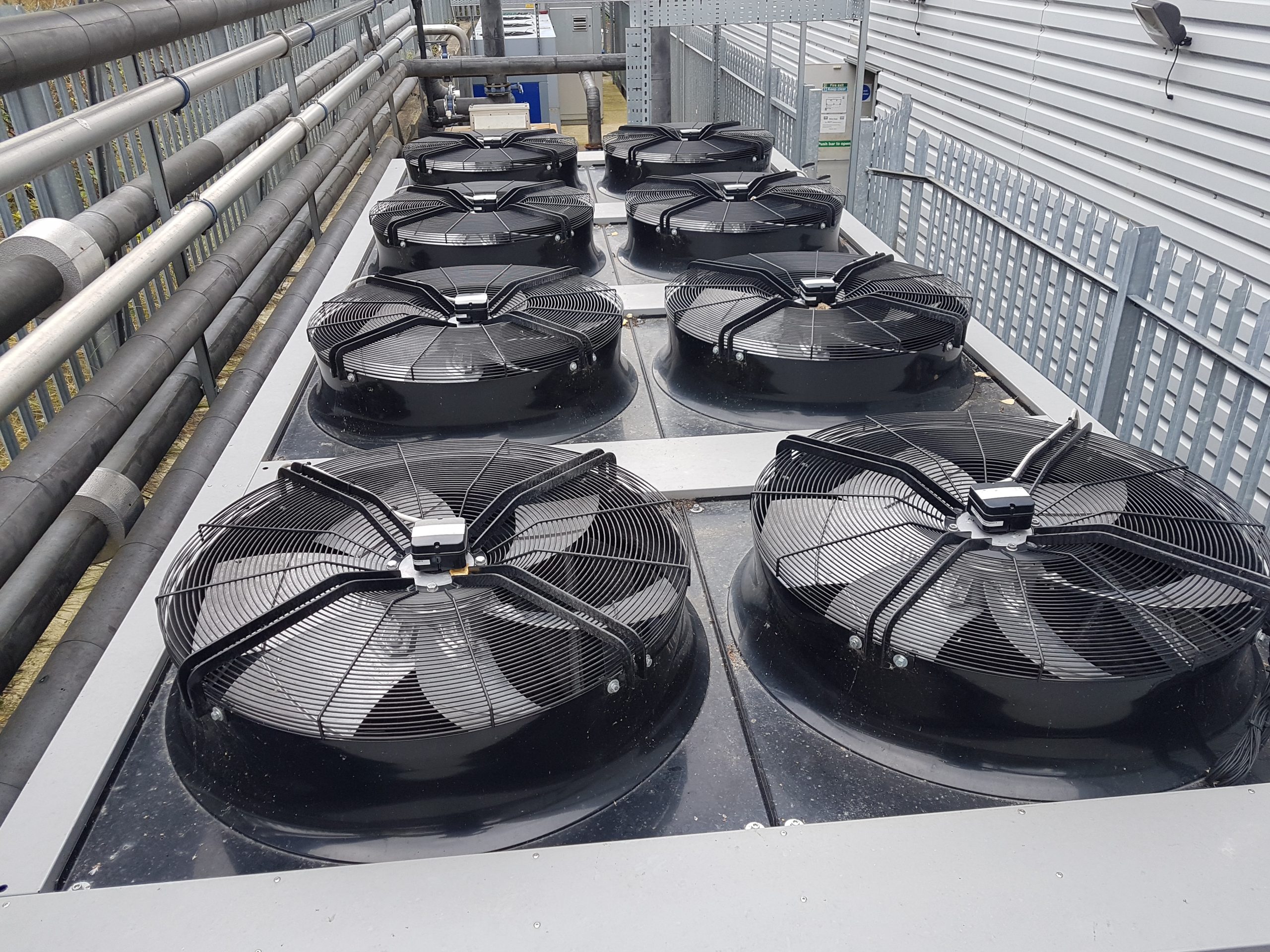
Cooling Tower
Cooling towers dissipate waste heat generated by industrial equipment through water evaporation. Equipped with high-performance axial fans, they facilitate steady airflow to accelerate heat exchange, stabilize operating temperature and ensure continuous, reliable operation of industrial circulating cooling systems.

AHU
Air Handling Units (AHUs) regulate indoor air temperature, humidity and cleanliness for commercial and industrial buildings. High-performance fans inside facilitate efficient air circulation, support heat exchange and filtration, and maintain stable, high-quality ventilation for enclosed spaces.

FFU
Fan Filter Units (FFUs) supply continuously filtered laminar airflow for cleanroom environments. Integrated high-efficiency fans drive air through HEPA filters, remove airborne particles, maintain stable cleanliness grades and create dust-free working conditions for precision manufacturing, laboratories and electronic workshops.
Related Products
Cooling Tower
Cooling towers dissipate waste heat generated by industrial equipment through water evaporation. Equipped with high-performance axial fans, they facilitate steady airflow to accelerate heat exchange, stabilize operating temperature and ensure continuous, reliable operation of industrial circulating cooling systems.
AHU
Air Handling Units (AHUs) regulate indoor air temperature, humidity and cleanliness for commercial and industrial buildings. High-performance fans inside facilitate efficient air circulation, support heat exchange and filtration, and maintain stable, high-quality ventilation for enclosed spaces.
FFU
Fan Filter Units (FFUs) supply continuously filtered laminar airflow for cleanroom environments. Integrated high-efficiency fans drive air through HEPA filters, remove airborne particles, maintain stable cleanliness grades and create dust-free working conditions for precision manufacturing, laboratories and electronic workshops.
Other Industries
Cooling Tower
Cooling towers dissipate waste heat generated by industrial equipment through water evaporation. Equipped with high-performance axial fans, they facilitate steady airflow to accelerate heat exchange, stabilize operating temperature and ensure continuous, reliable operation of industrial circulating cooling systems.
AHU
Air Handling Units (AHUs) regulate indoor air temperature, humidity and cleanliness for commercial and industrial buildings. High-performance fans inside facilitate efficient air circulation, support heat exchange and filtration, and maintain stable, high-quality ventilation for enclosed spaces.
FFU
Fan Filter Units (FFUs) supply continuously filtered laminar airflow for cleanroom environments. Integrated high-efficiency fans drive air through HEPA filters, remove airborne particles, maintain stable cleanliness grades and create dust-free working conditions for precision manufacturing, laboratories and electronic workshops.