
Ventilation Technology
Ventilation technology focuses on exchanging and circulating indoor and outdoor air for industrial plants, commercial buildings, public facilities and enclosed working spaces. It eliminates stale air, harmful fumes, dust and humid air, maintains air freshness and indoor air quality, and creates a safe, comfortable and compliant working and living environment. It is a fundamental facility for environmental control in all industrial and architectural scenarios.
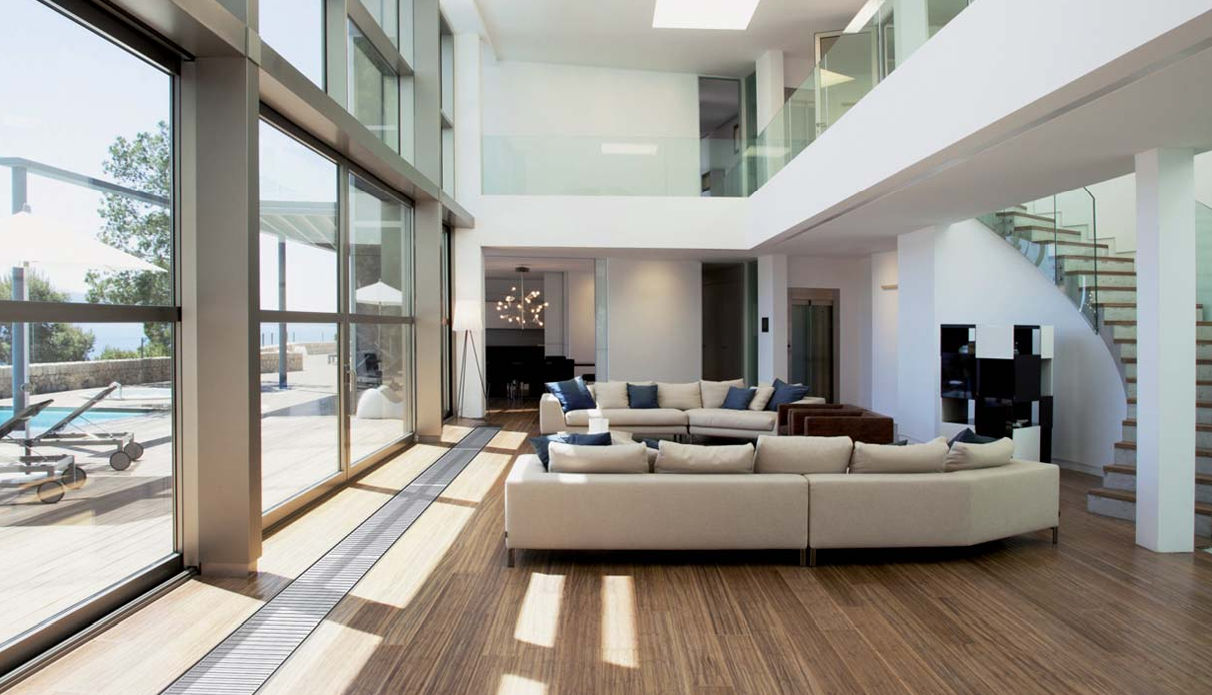
Fans for ventilation scenarios feature large air volume, stable air delivery and moderate static pressure. They support continuous 24/7 operation with low energy consumption, effectively realizing uniform air circulation and efficient exhaust and air supply. The products adopt optimized aerodynamic design, with low wind resistance and low noise operation, adapting to long-term stable ventilation demands of various enclosed and semi-enclosed spaces, and meet industrial environmental ventilation standards.
Ventilation Technology
-Commercial Building Ventilation
Commercial building ventilation encompasses systems designed for offices, retail spaces, hotels, and public buildings, focusing on occupant comfort, indoor air quality, and energy efficiency while meeting regulatory standards. These systems typically include centralized air handling units (AHUs) with variable air volume (VAV) controls, demand-controlled ventilation (DCV) that adjusts airflow based on occupancy or CO₂ levels, and integration with building management systems (BMS) for automated operation. High-rise buildings, shopping malls, and hospitality venues often require complex ductwork and zoning capabilities to address varying occupancy patterns and space-specific ventilation needs, while prioritizing noise reduction and aesthetic integration.
-Industrial Ventilation
Industrial ventilation systems handle high-volume air movement, contaminant control, and process-specific requirements in manufacturing plants, power generation facilities, chemical refineries, and other industrial settings. These robust systems focus on removing harmful pollutants (dust, fumes, toxic gases), controlling temperature in heat-intensive processes, and maintaining safe working environments, often incorporating explosion-proof fans, high-efficiency particulate air (HEPA) filters, and specialized ductwork for corrosive or high-temperature applications. Industrial ventilation can be categorized into general ventilation (whole-area air exchange) and local exhaust ventilation (LEV) that captures contaminants at their source, minimizing worker exposure and ensuring compliance with occupational health and safety regulations.
-Central Residential Ventilation
Central residential ventilation systems, often referred to as whole-house ventilation, utilize a centralized unit connected to a network of ducts to distribute fresh air throughout an entire home while expelling stale air uniformly. These systems typically include balanced ventilation approaches like Heat Recovery Ventilators (HRVs) or Energy Recovery Ventilators (ERVs) that exchange heat between incoming and outgoing air streams, maximizing energy efficiency while maintaining consistent indoor air quality across all rooms. Ideal for new construction or major renovations, they provide comprehensive control over air exchange rates, humidity levels, and filtration, supporting healthier living environments in energy-efficient homes with reduced natural air infiltration.
-Decentralized Residential Ventilation
Decentralized residential ventilation systems operate through individual, standalone units installed in specific rooms (e.g., bedrooms, living areas) rather than a central duct network. Each unit functions independently, allowing for customized airflow, operation schedules, and filtration settings per room, which is particularly beneficial for multi-story homes or retrofitting existing buildings where ductwork installation is impractical or costly. These systems often include wall-mounted or window-integrated ventilation fans with heat recovery capabilities, providing energy-efficient air exchange without the complexity of central systems, while enabling residents to adjust ventilation based on occupancy patterns and specific room needs.
-Air Purifiers
Air purifiers are standalone devices designed to improve indoor air quality by removing contaminants, allergens, and pollutants from the air through filtration, ionization, or UV-C light technologies. Unlike ventilation systems that exchange indoor and outdoor air, air purifiers recirculate and clean existing indoor air, targeting particles like dust, pollen, pet dander, mold spores, and volatile organic compounds (VOCs). They range from portable units for individual rooms to whole-home systems integrated with HVAC setups, offering customizable filtration levels (e.g., HEPA filters) to address specific air quality concerns, making them essential in urban environments, allergy-prone households, and areas with poor outdoor air quality.
-Heat Pumps
Heat pumps are versatile HVAC systems that transfer heat between indoor and outdoor environments for both heating and cooling purposes, often incorporating ventilation components to enhance air circulation and quality. In ventilation contexts, heat pumps frequently integrate with energy recovery systems to optimize efficiency by reclaiming heat from exhaust air to precondition incoming fresh air, reducing energy consumption compared to traditional heating/cooling methods. They are widely used in residential, commercial, and light industrial settings, offering year-round climate control with lower carbon footprints, and can be paired with ventilation systems to ensure consistent air exchange while maintaining desired temperatures.
-Harvest Storerooms
Ventilation in harvest storerooms is critical for preserving agricultural products (grains, fruits, vegetables) by controlling temperature, humidity, and gas composition to prevent spoilage, mold growth, and insect infestation. These specialized systems typically combine mechanical ventilation with humidity control and sometimes carbon dioxide monitoring to maintain optimal storage conditions, with airflow rates adjusted based on crop type, moisture content, and storage duration. Proper ventilation removes excess moisture from harvested goods, prevents condensation, and equalizes temperature throughout the storage space, extending shelf life and preserving product quality for both short-term and long-term storage needs.
-Greenhouses
Greenhouse ventilation systems regulate temperature, humidity, and carbon dioxide levels to create optimal growing conditions for plants, balancing the need for fresh air exchange with environmental control. These systems often combine natural ventilation (via roof vents, side walls) with mechanical solutions (fans, evaporative coolers) to manage heat buildup during daylight hours, ensuring uniform air distribution and preventing hotspots that could damage crops. Advanced greenhouse ventilation may integrate with climate control systems to adjust airflow based on real-time environmental data, supporting year-round cultivation, improving crop yields, and enabling precise control over plant growth cycles.
-Livestock Farming
Livestock farming ventilation systems are designed to maintain healthy living conditions for animals (poultry, swine, cattle) by removing harmful gases (ammonia, methane), controlling humidity, regulating temperature, and reducing airborne pathogens. These robust systems typically feature high-capacity fans, air inlets, and sometimes evaporative cooling or heating elements to create optimal microclimates, with airflow rates tailored to animal species, age, and housing density. Proper ventilation improves animal welfare, reduces disease risk, enhances feed conversion efficiency, and ensures compliance with environmental regulations regarding air emissions from livestock facilities.
-Vertical Farming
Vertical farming ventilation systems address the unique challenges of stacked cultivation environments, ensuring uniform air distribution, temperature, and humidity across multiple growing levels while managing high plant density and artificial lighting heat loads. These systems often combine recirculating air with controlled fresh air exchange, incorporating HEPA filtration to prevent pest and disease introduction, and carbon dioxide enrichment to boost plant growth. Precision ventilation controls are essential to maintain consistent environmental conditions throughout vertical farming structures, supporting high-yield, year-round production of leafy greens, herbs, and other crops in urban settings with limited space.
Application Scenarios
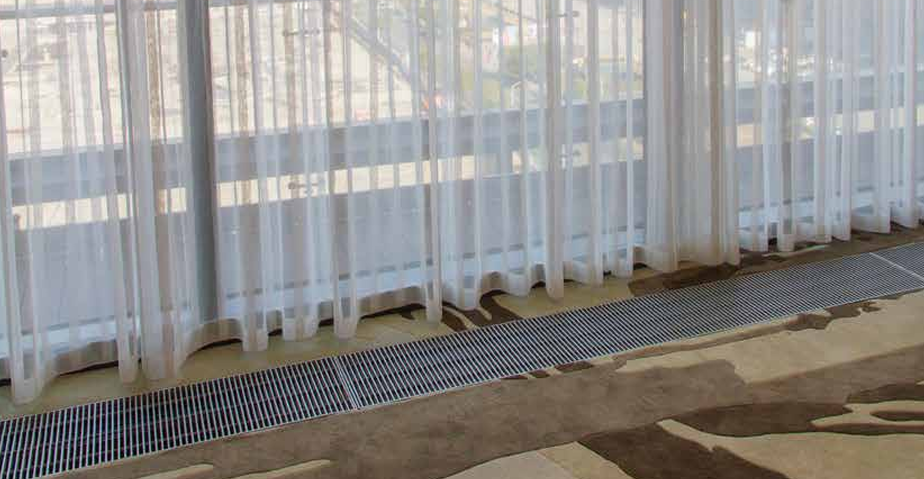
Floor-convection
Floor-convection systems drive uniform air circulation at ground level, eliminating temperature stratification, removing stagnant air and moisture close to the floor. It delivers balanced thermal distribution, improves indoor air quality and creates a consistent, comfortable environment for industrial workshops, warehouses and greenhouses.
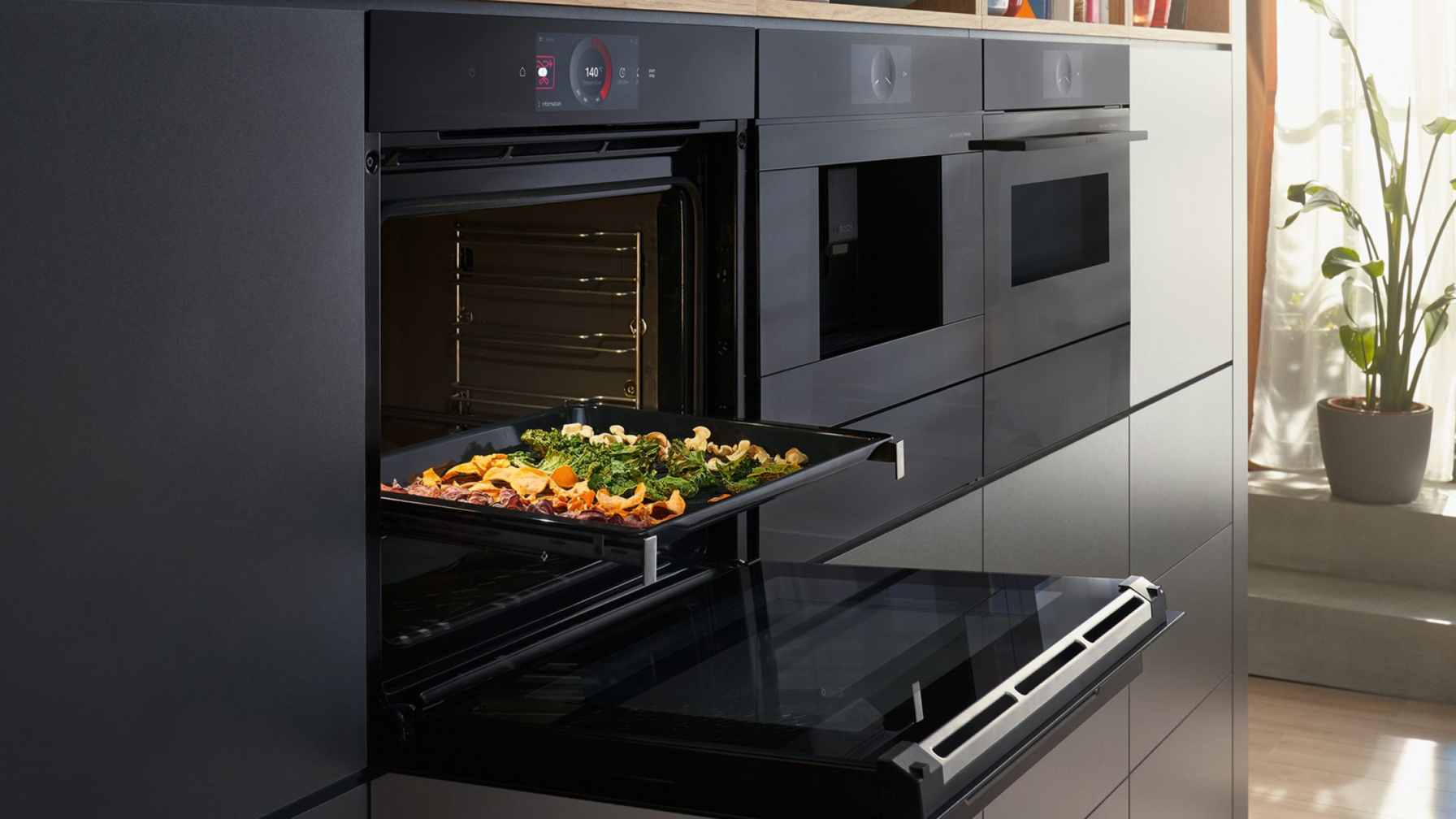
Oven
Industrial ovens provide controlled, uniform high-temperature heating for baking, curing, drying and thermal processing. Consistent internal airflow maintained by specialized oven fans eliminates hot spots, stabilizes temperature distribution and ensures reliable, repeatable production results.
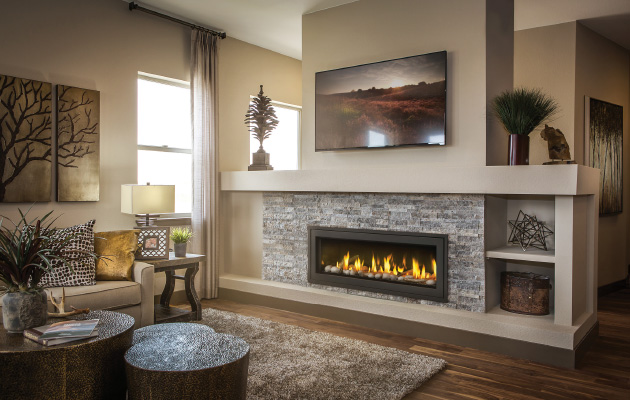
Fireplace
Fireplaces generate radiant heat for space heating. Matching circulation fans boost warm air convection, spread heat evenly across the room, reduce temperature differences and improve overall heating efficiency.
Related Products

在此添加您的标题文本
Lorem ipsum dolor sit amet, consectetur adipiscing elit. Ut elit tellus, luctus nec ullamcorper mattis, pulvinar dapibus leo.
在此添加您的标题文本
Lorem ipsum dolor sit amet, consectetur adipiscing elit. Ut elit tellus, luctus nec ullamcorper mattis, pulvinar dapibus leo.
在此添加您的标题文本
Lorem ipsum dolor sit amet, consectetur adipiscing elit. Ut elit tellus, luctus nec ullamcorper mattis, pulvinar dapibus leo.
Other Industries
在此添加您的标题文本
Lorem ipsum dolor sit amet, consectetur adipiscing elit. Ut elit tellus, luctus nec ullamcorper mattis, pulvinar dapibus leo.
在此添加您的标题文本
Lorem ipsum dolor sit amet, consectetur adipiscing elit. Ut elit tellus, luctus nec ullamcorper mattis, pulvinar dapibus leo.
在此添加您的标题文本
Lorem ipsum dolor sit amet, consectetur adipiscing elit. Ut elit tellus, luctus nec ullamcorper mattis, pulvinar dapibus leo.